
Seeing. Making. Keeping.
Keep
moving
forward.
A photograph. An identity. A piece of software.
Something worth returning to.
01 / What survives the making
The work is
still here.
A practice grows through what it learns to keep.
The photograph can be looked at again. The campaign can be understood through its images, its idea, and the people who contributed. The software can be examined through the work it actually performs.
Carrying those things forward means giving them enough context to remain intelligible. Preserve the source. Credit the contribution. Name what changed. Leave room for the next decision.
This is an editorial continuation of the existing practice. The projects keep their own histories; their presence in a new edition does not turn them into new accomplishments.
02 / Return to the objects
Different forms.
A continuing curiosity.
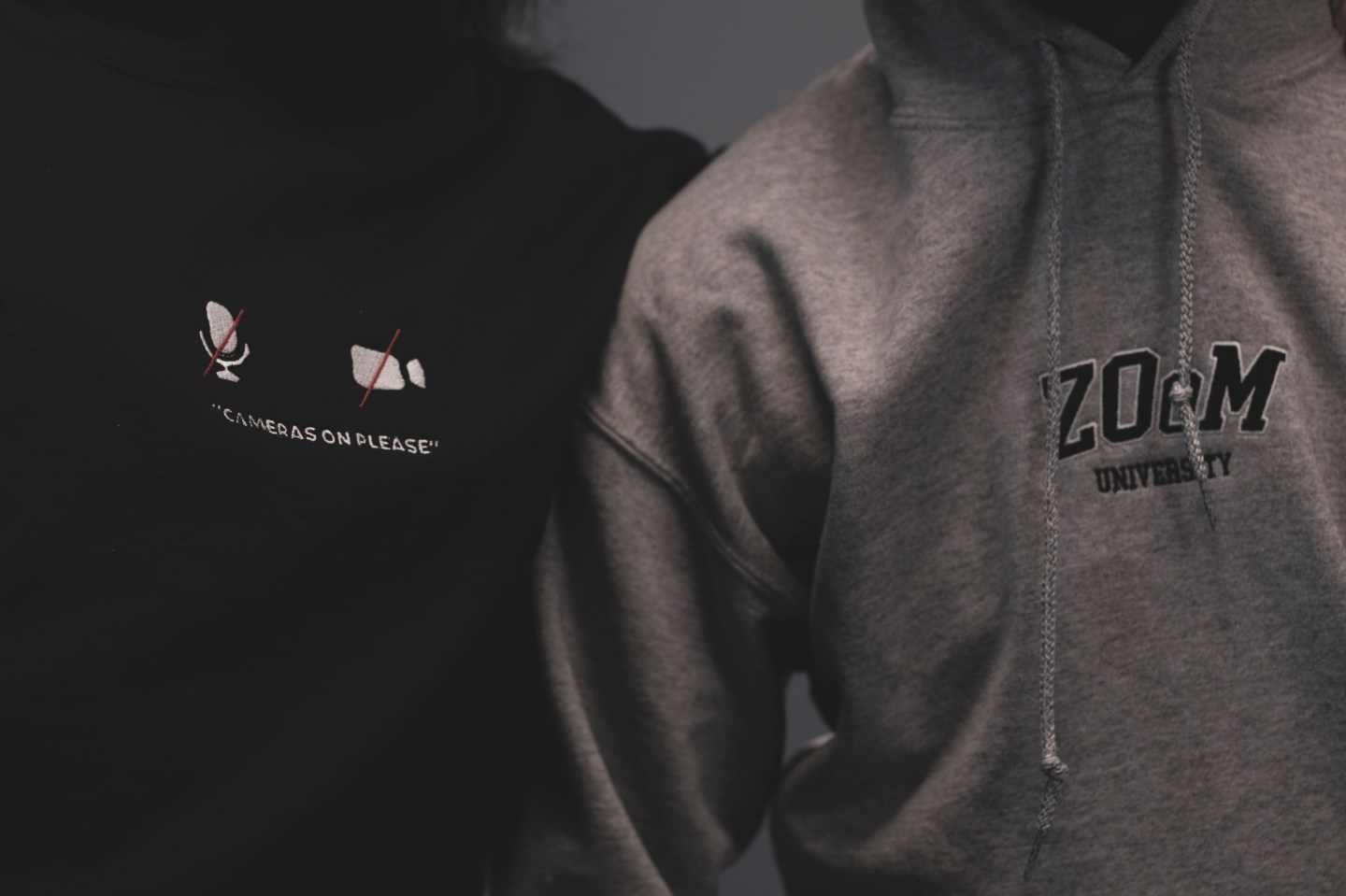
Scammer University
Phil’s concept, creative coordination, and campaign photography. The original story retains the collaborators and credit qualifications.
Read the campaign story
Philmstrips
People, places, and details worth keeping. A retained public photographic selection; the wider film and image archive remains an edit in progress.
Return to the photographsEdition 4.5 / AI-assisted addendum
What carries
the work?
The October 3 account follows useful work and incomplete handoffs. It asks what someone else needs to continue without the maker supplying every missing connection.
Recovered writing, with AI-assisted synthesis and Phil’s attributed account. Historical observations retain their dates and limits. New presentation accompanies the original text.
Read the addendum03 / A practice of his own. A company with its own work.
The next person
should be able
to continue.
Phil’s personal practice brings seeing, making, and judgment into many forms. His product direction and workflow design contribute to ChurchOS by TCO; that institutional work has its own responsibilities and evidence.
The two perspectives meet here in a question: can the work help another person understand what to do?
TCO Basic begins with that inquiry. It makes demonstrated capability legible and usable, with the human becoming more capable alongside the tools.
Read the company’s introduction to BasicThe earlier pages remain
Keep their place.
Edition Three / September 2026Ideas are a start. I make them work.Read the retained portfolioThe end of this edition / A beginning
The work itself
can teach.
What is it? Where did it come from? What changed? What can we do with it now?
These ordinary questions are the beginning of TCO Basic: making the work understandable enough for someone else to use, repeat, and carry forward.
An opening inquiry, with human capability as the outcome. This example is an illustration; it does not establish that learning has transferred into real work.
Try one small decision / Fictional example
Seven o’clock.Poster / Revision 02 / Awaiting approval
The designer changed the time from six to seven and saved a new poster. The host has not approved that revision.
Choose a next step to see what the available information supports.
Now imagine an edited photograph or a corrected program. The same question travels: which version, whose decision, and what is the next permitted step?